Arrest Made in Shooting at Motel 6 in Newport News
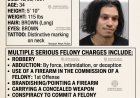
48-year-old Elvis Barrow, of Hampton, has been booked into the city jail following the shooting at the Motel 6 on J. Clyde Morris Blvd. Barrow is facing three felony charges stemming from an incident on February 14, 2026. The charges include First-Degree Murder, Use of a Firearm in the Commission of a Felony (1st Offense), and Possession of a Firearm by a Non-Violent Felon Within 10 Years.
 Police Ping
 scanner audio provided by Broadcastify.com
Victim has been identified as 21 year old Isaiah Steven Nichols of Newport News
UPDATE 2/17/2026 7:00 AM EST Court Documents have posted: Barrows next court date has been set for March 3, 2026 at 8:30 AM for attorney review
Elvis Tremaine Barrow
data source: https://eapps.courts.state.va.us/ocis/search
Barrow was initially booked into the jail for murder (see arrest log below) and will also likely face at least one aditional charge of being a convicted felon in possession of a firearm. Media remains on mute. Check below for the arrest, fire/ems and PD calls for service logs
Court records are expected to be updated in the morning at which time a complete list of charges will be available. Elvis Tremaine Barrow had an extensive criminal history. A review of his prior court cases reflects a significant pattern of offenses. We extend our deepest sympathies to the victim’s friends and family during this difficult time.
UPDATE 2/15/2026 3:00 PM EST Police Ping visited the motel today to gather additional information. While there was little visible activity, Room 427 — which had been mentioned in scanner traffic — was vacant, with housekeeping staff cleaning an adjacent room.
The lack of media coverage surrounding the incident is notable, particularly given the upcoming taxpayer-funded Memorial Day music festival. The area, located just off Interstate 64, contains a significant number of hotel rooms where festival guests are likely to stay, yet public updates have been minimal.
UPDATE 2/15/2026 7:30 AM EST Court records are expected to be updated in the morning at which time a complete list of charges will be available. Elvis Tremaine Barrow had an extensive criminal history; a review of his prior court cases reflects a significant pattern of offenses. We extend our deepest sympathies to the victim’s friends and family during this difficult time.
UPDATE 2/15/2026 6:30 AM EST Still no official word has been released regarding the arrest of Elvis Barrow or the victim's identity, which arrest records show occurred at police headquarters on Jefferson Avenue at 09:15 AM. Barrow was then apparently transported to the jail and booked at 11:28 AM—roughly 12 hours after the murder at the Motel 6 797 J Clyde Morris Blvd. There has been very little media coverage on this incident (see note below)
UPDATE 2/14/2026 12 NOON ELVIS BARROW HAS BEEN CHARGED WITH MURDER RELATED TO THE MOTEL 6 SHOOTING ON J CLYDE MORRIS BLVD THIS MORNING
Acording to a Facebook page, Barrow indicates he has attended Kecoughtan High School and Virginia Peninsula Community College. Barrow has an extensive criminal history (listed below) with multiple drug charges and a recent domestic related assult and battery yet to be settled. We also found this X profile of Elvis Barrow from Hamoton, Virginia.
Last know address for Barrrow was 329 Settlers Landing Rd Hampton VA 23669 which is listed as being owned by a Ledora R Jackson.
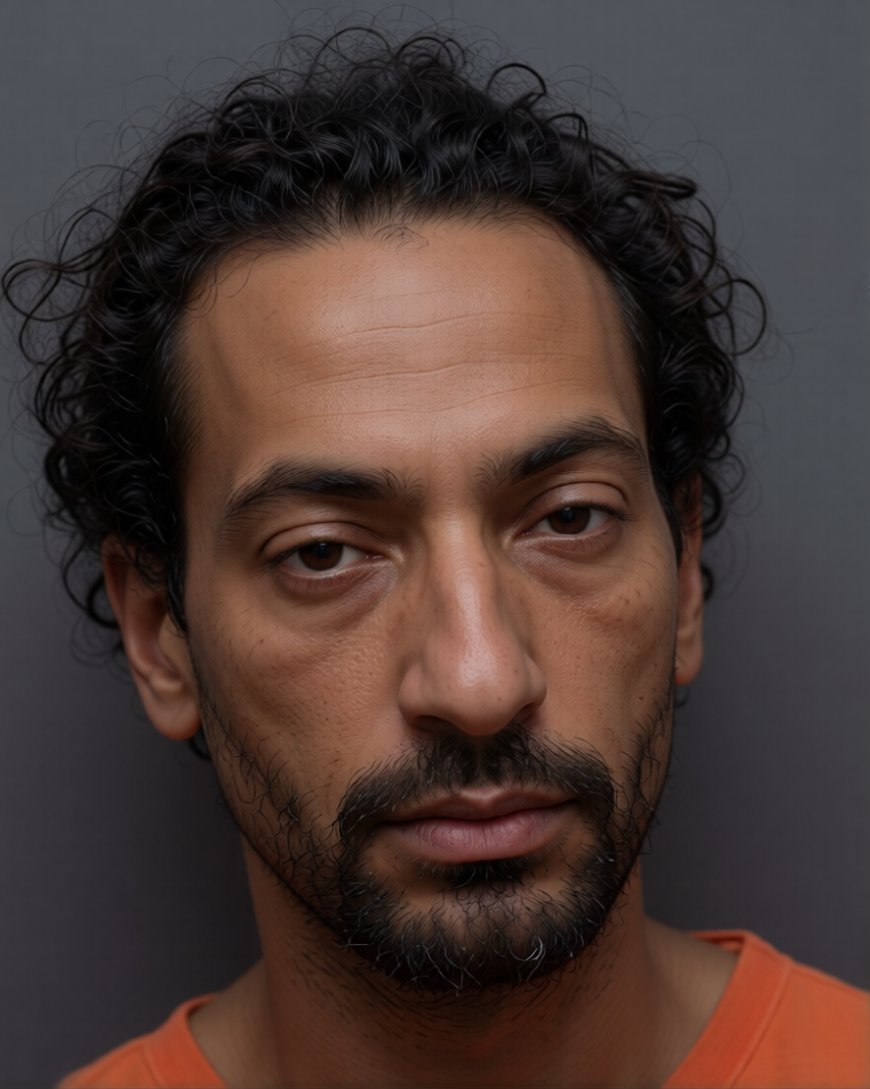
Elvis Barrow Mugshot 2/14/2026
UPDATE Limited details at this point official reports do confirm one is dead. The shooting apparently took place at the Motel 6 Room #427
LISTEN TO EMS AUDIO OF MOTEL 6 SHOOTING
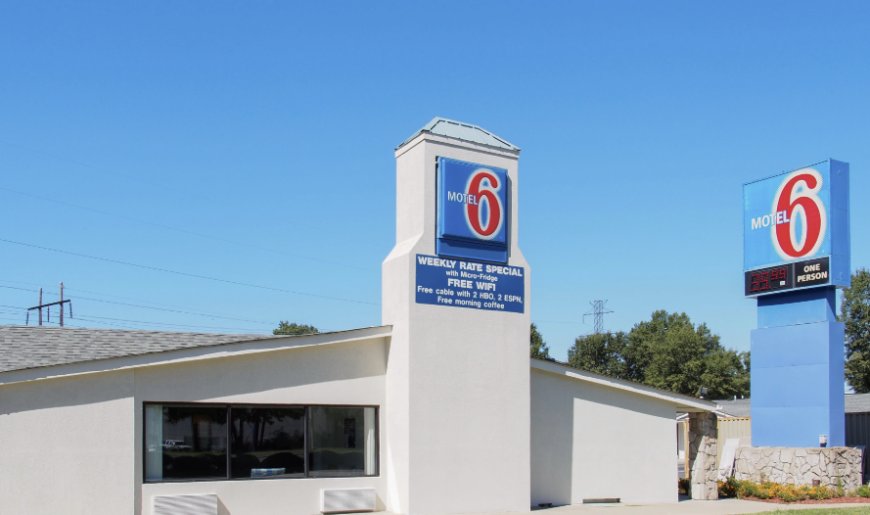
This entire section of the city has gone downhill in recent years, just last month Moriah Marshall was arrested across the street at the City Center Inn Watch the WILD FOOTAGE of that incident
Also just across the street, WATCH as a call over the scanner about an OD turned into an arrest at the Super 8 across the street from the Motel 6. All of these incidents are in seperate motels within a one mile radius. https://youtu.be/EFtozZKkBNw?si=KgQXiOcQX_g_bF_m
This is a BREAKING STORY check back later for updates on the person police have in custody
LISTEN TO EMS AUDIO OF MOTEL 6 SHOOTING


NEWPORT NEWS, Va. — Police are investigating a fatal shooting that occurred overnight along J. Clyde Morris Boulevard.
According to the Newport News Police Department, officers were dispatched to the area off J. Clyde Morris Blvd shortly after midnight following reports of gunfire.
When officers arrived, they located an adult male outside suffering from at least one gunshot wound. The victim was pronounced dead at the scene.
Authorities have detained one person of interest in connection with the shooting. Police have not yet announced charges, and the identity of the victim has not been publicly released pending family notification.
Investigators say there is no ongoing threat to the public at this time, but the case remains active as detectives work to determine the circumstances and motive surrounding the incident.
Criminal Case Summary — Elvis Tremaine Barrow
Defendant: Elvis Tremaine Barrow
Jurisdictions: Hampton (primarily), with cases also in Norfolk J&DR and Gloucester courts
Record Span: 2001 → 2026 (pending)
Aug 26, 1977
AKA: Elvis Remaine Barrow
Recent / Pending Matters (2025–2026)
-
Show Cause / Contempt – Non-compliance with court order (Offense: 08/18/2025) — Hearing set 04/22/2026
-
Assault & Battery (Offense: 12/17/2023) — Hearing set 04/22/2026
2024 Case Activity
Multiple charges stemming largely from June 5, 2024 incidents:
-
Felony Elude / Disregard Police
-
Evade & Elude (Circuit Court)
-
Possession of Cocaine with Intent to Distribute
-
Reckless Driving
-
Failure to Appear (amended)
2023 Case Activity
-
Grand Larceny (≥ $1,000) — District & Circuit filings
-
Possession of Cocaine
-
Drug Paraphernalia (amended)
-
Driving on Suspended / Revoked License
2021 Case Activity
-
Failure to Appear (amended)
-
Capias / Pretrial contempt-related matter
2020 Case Activity
Cluster of charges tied to February & November 2020 incidents:
-
Possession of Cocaine
-
Drug Paraphernalia (amended)
-
Obstruction / Resisting without force
-
Fleeing from Law Enforcement
-
DWI – 1st Offense
-
Driving on Suspended License
-
Reckless Driving
-
Headlight violation
2019
-
Failure to Appear / Contempt (Norfolk J&DR)
2017 Activity
Multiple procedural and traffic matters:
-
Failure to Appear (multiple)
-
Capias / Pretrial
-
Driving on Suspended License
-
Operating Unlicensed Vehicle
-
Possession of Marijuana
2016 (Gloucester)
-
Driving on Suspended License
-
Speeding (74/55)
Earliest Record — 2001 (Circuit Court)
Serious felony drug cases:
-
Distribution of Cocaine
-
Distribution near School Property
-
Possession with Intent within 1,000 ft. of School
-
Capias
Data Source: https://eapps.courts.state.va.us/ocis/search
Why no main stream media coverage on this or other crime related reporting we cover? Because much of the media is funded by taxpayer dollars and pushes a controlled narrative that downplays crime rather than reporting it accurately. Independent YouTubers are now pulling in more views in a matter of days than mainstream outlets generate in an entire month. Platforms like Police Ping and other alternative media sites are growing rapidly as audiences begin to question the long-standing messaging from major networks. News stations that once drove highly visible, logo-covered vans through neighborhoods are now often seen using more discreet, unmarked vehicles—something critics say reflects an effort to operate with less public scrutiny.
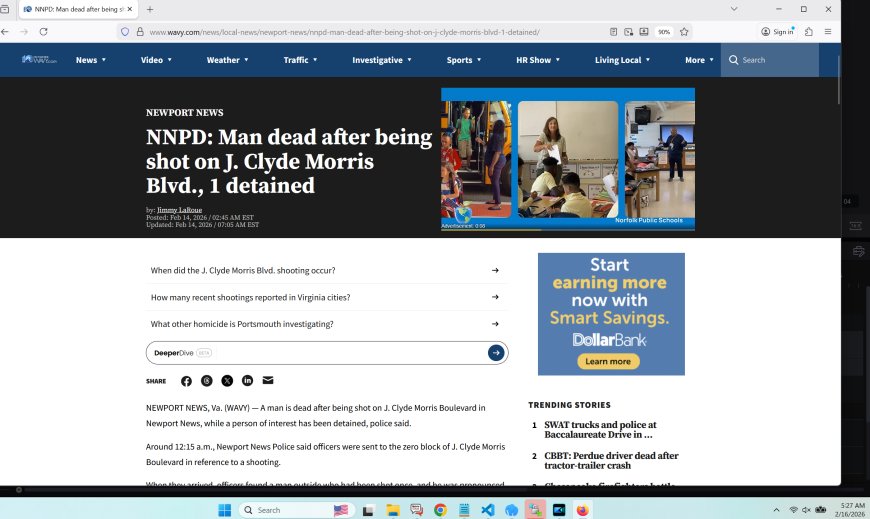
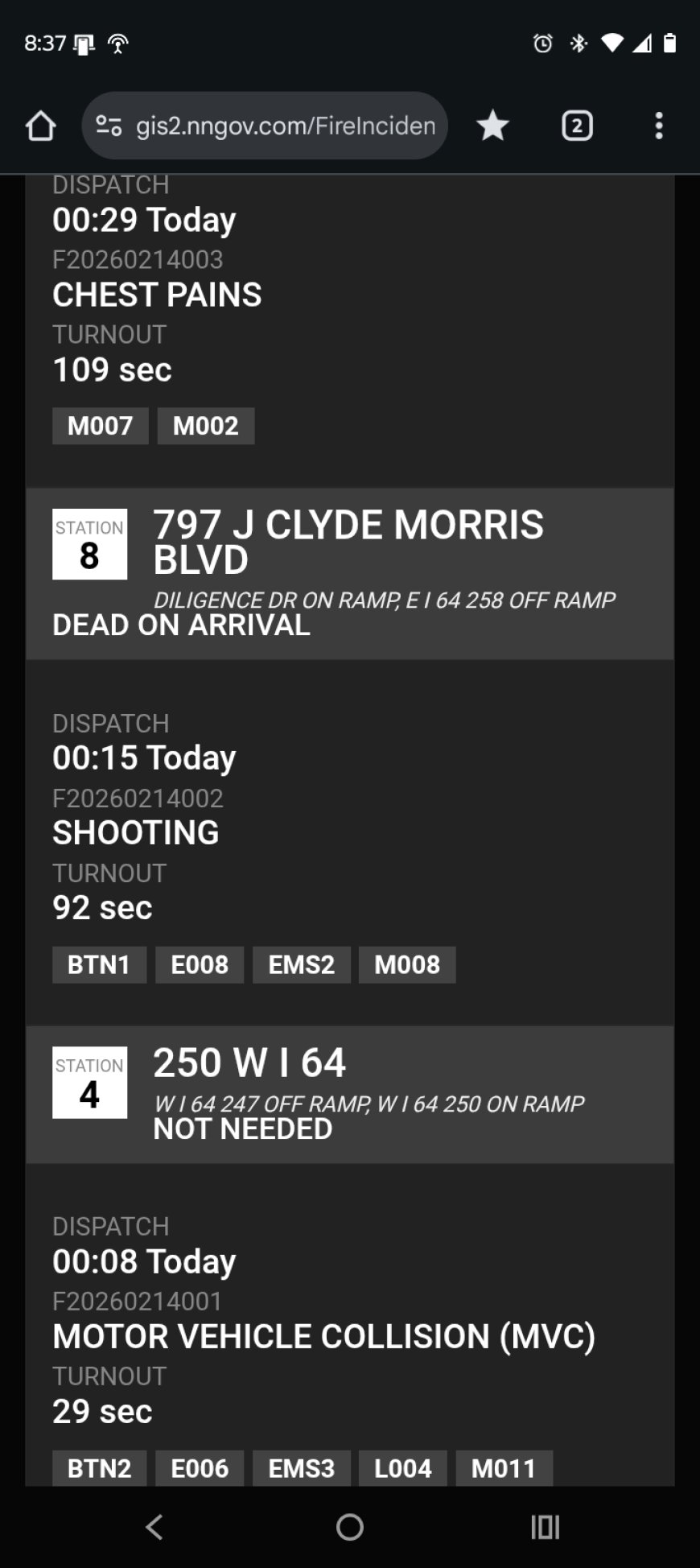
Editors Note 2/16/2026 On the same evening, a separate homicide occurred in the neighboring city of Hampton and received widespread media coverage.Three days later, however, none of the published reports on the Newport News incident have been updated. Every article continues to list an incorrect address for the location.Official records from the city’s government-operated fire and EMS dispatch feed identify the scene as the Motel 6 on J Clyde Morris Blvd. The dispatch log explicitly names the business as “Motel 6,” and the corresponding fire/EMS scanner audio—publicly available—confirms the same location.The persistent discrepancy between the official records and the published news accounts remains unexplained. Notice in the screenshot of WAVY 10 website below, the timestamps have not changed plus the invalid street address. Screenshot was taken 2/16/2026 5:30 AM EST Other local media outlets have same incorrect information. The city does not want the crime reports about local motels getting out and the media is in on it, or at least thats how it seems