Don't Film Me! This is an Invasion of my Privacy Call 911!
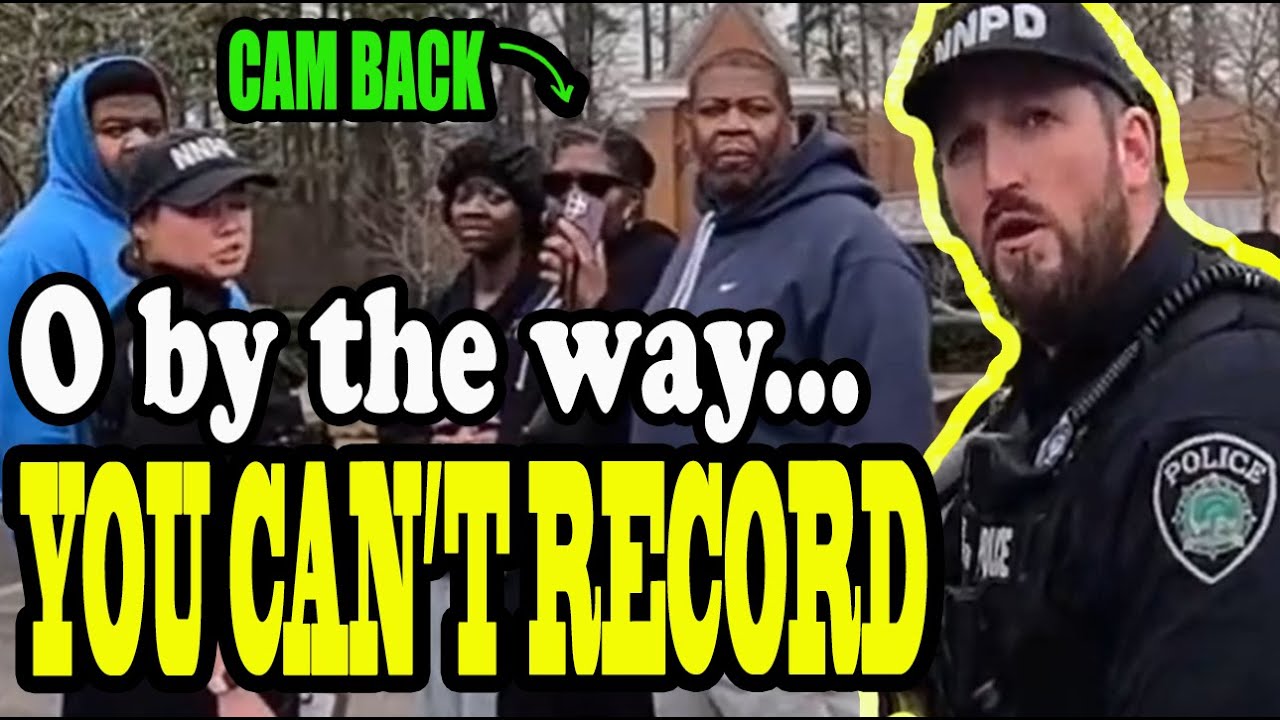
It’s a scene becoming increasingly common in the age of the smartphone: a citizen standing on a public sidewalk, camera in hand, and a passerby who absolutely refuses to be part of the frame. What began as a quiet afternoon in the downtown district quickly spiraled into a heated confrontation yesterday when an unidentified man demanded a local resident stop recording, eventually leading to a police response.
 Police Ping
 "Don't Film Me!" Public Sidewalk Standoff Ends in 911 Call
The Spark: "This Is an Invasion of My Privacy!"
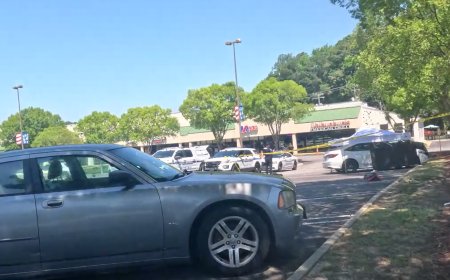
The incident began around 2:00 PM when a local "First Amendment Auditor"—individuals who film in public spaces to test civil liberty protections—was recording b-roll of the architecture along Warwick Blvd.
According to footage of the encounter, an older gentleman exiting a nearby office building noticed the camera and immediately took offense. The interaction escalated within seconds:
-
The Demand: The man approached the camera, shielding his face with a briefcase, shouting, "You don't have my permission! Don't film me! This is an invasion of my privacy!"
-
The Rebuttal: The citizen remained calm, stating repeatedly, "I am on a public sidewalk. I don't need permission to film what is in plain view."
-
The Escalation: Infuriated by the refusal to stop, the man reached for his phone, yelling, "That’s it! I’m calling the police. You’re harassing me. Call 911!"
The Legal Reality: Public vs. Private
While the man’s frustration felt deeply personal, the law is generally quite clear on this matter. In the United States, the concept of "Reasonable Expectation of Privacy" is the deciding factor.
Key Legal Principle: If you are in a place accessible to the public—like a sidewalk, park, or street—you generally do not have a legal expectation of privacy. Therefore, anyone can photograph or film anything (and anyone) within their line of sight.
While it may feel "rude" or "intrusive" to be filmed without consent, it is rarely a crime unless the photographer is:
-
Trespassing on private property.
-
Physically obstructing someone's movement.
-
Harassing (repeatedly following a specific individual after being told to stop).
The Police Arrival
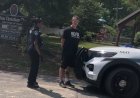
Two officers arrived on the scene approximately ten minutes later. After speaking with both parties, the situation was quickly de-escalated.
The officers explained to the angry complainant that because the filming was taking place on a public easement and the photographer was not committing a breach of the peace, no crime had occurred. No arrests were made, and the man eventually left the scene, though visibly disgruntled.
Summary of Rights in Public Spaces
| Action | Legal Status |
| Filming on a public sidewalk | Protected by the First Amendment. |
| Demanding someone stop filming | Legal, but the photographer is not required to comply. |
| Touching the photographer's gear | Illegal (could be considered battery or criminal mischief). |
| Calling 911 for being filmed | Legal, but may result in a warning for "misuse of emergency services" if no crime is occurring. |